Frozen in Their Flaws: Why Prestige Drama Can't Afford to Let Its Antiheroes Grow Up
There is a particular kind of dramatic tension that prestige television has mastered over the past two decades — the slow, agonizing orbit of a deeply flawed human being circling the possibility of change without ever quite landing. Audiences have grown accustomed to watching antiheroes inch toward the light, only to be pulled back by circumstance, character, or, more often than not, deliberate narrative design. The question worth asking is whether this pattern reflects honest storytelling or whether it reveals an uncomfortable truth about what viewers actually want from their most complicated protagonists.
The antihero has become the dominant figure of serious American drama. From the suburban criminal to the ruthless executive, from the morally bankrupt lawman to the self-destructive artist, these characters populate the prestige landscape with remarkable consistency. They are brilliantly written, compellingly performed, and almost universally resistant to fundamental change. That resistance, it turns out, is not accidental.
The Architecture of Compelling Dysfunction
To understand why redemption arcs so frequently collapse under their own weight, one must first appreciate what makes the antihero function as a dramatic engine. These characters work precisely because their flaws are not incidental — they are structural. The controlling impulses, the capacity for cruelty, the self-deception, the moral compartmentalization: these qualities are not obstacles the protagonist must overcome on the way to a satisfying story. They are the story.
When a drama constructs a protagonist whose worldview is fundamentally distorted, every scene, every relationship, and every consequence flows from that distortion. Remove it, and you do not have a reformed version of the same compelling character. You have, effectively, a different person inhabiting a show that was built for someone else. Writers understand this intuitively, which is why genuine transformation is so rarely permitted to take hold.
Consider the trajectory of Walter White in Breaking Bad, perhaps the most discussed antihero arc in American television history. The series framed his journey as a potential redemption story in its earliest episodes — a dying man reclaiming agency, a marginalized genius finally asserting his worth. Yet the show's lasting power derived from the systematic dismantling of that framing. By the finale, the redemption offered was partial, qualified, and arrived far too late to undo the wreckage. Creator Vince Gilligan has spoken openly about the deliberate choice to let Walter acknowledge his own culpability in the final hour — but that acknowledgment stopped well short of transformation. It was confession without conversion.
When Change Is Permitted — and Why It Rarely Sticks
Occasionally, prestige drama does attempt to grant its morally gray figures genuine growth, and the results are instructive. Bojack Horseman, the animated series that engaged with self-destruction more rigorously than most live-action prestige drama, spent six seasons testing whether its protagonist could meaningfully change. The show's conclusion — ambiguous, unresolved, deliberately withholding the catharsis audiences had been conditioned to expect — was both its most honest moment and its most controversial. Viewers who had invested years in Bojack's suffering were not uniformly grateful for the complexity. Many felt cheated.
This reaction illuminates the central paradox of the antihero's redemption problem. Audiences claim to want growth. They root for these characters across multiple seasons, celebrating small victories and mourning relapses with genuine emotional investment. Yet when transformation arrives in earnest, something essential is often lost. The character becomes easier to like and harder to watch. The narrative tension that sustained the series dissipates. What remains can feel, paradoxically, less true.
Succession, which concluded its celebrated run on HBO in 2023, navigated this paradox by refusing redemption almost entirely. Each of the Roy siblings cycled through moments of apparent self-awareness — glimpses of the people they might have been under different circumstances — only to retreat into the behavioral grooves carved by their upbringing. The series finale was widely praised for its refusal to offer any of its characters a meaningful exit from their own damage. Whether that constitutes dramatic honesty or a kind of narrative cowardice remains a genuinely open question.
The Audience's Complicity
It would be convenient to place responsibility for this pattern entirely on the shoulders of writers and showrunners. The fuller picture, however, implicates audiences as active participants in the antihero's stasis. American viewers have demonstrated, repeatedly and measurably, that they prefer their favorite complicated characters preserved in amber.
Fan response to redemption arcs is frequently hostile, particularly when those arcs require the character to surrender the qualities that made them magnetic. When a show allows its antihero to become genuinely kinder, more self-aware, or more accountable, the complaint that follows is almost always some variation of the same grievance: the character no longer feels like themselves. The implication is revealing. Audiences have internalized the character's dysfunction as their identity. Change, in this reading, is not growth — it is a kind of death.
This dynamic places writers in an impossible position. Craft a redemption arc too completely and risk alienating the audience that made the show a cultural event. Withhold it entirely and face accusations of nihilism. The most common resolution is the partial arc — the character who moves toward the light just enough to generate hope, then retreats just enough to maintain the tension that keeps viewers returning.
What Genuine Transformation Would Actually Require
The dramas that have most successfully navigated the redemption problem tend to share a willingness to accept real narrative cost. Transformation, when it is earned and sustained, changes not only the character but the entire shape of the story surrounding them. Secondary characters must respond differently. The power dynamics that structured the series must shift. The dramatic engine must be rebuilt around a protagonist who is no longer defined by their worst impulses.
This is expensive work — expensive in terms of creative risk, audience trust, and structural reinvention. It is the kind of work that The Americans undertook in its final season, permitting its protagonists a form of reckoning that was neither triumphant nor entirely devastating, but genuinely transformative in the sense that it could not be undone. The show paid for that choice with an ending that divided its audience, but earned considerable critical respect for refusing to let its characters remain frozen.
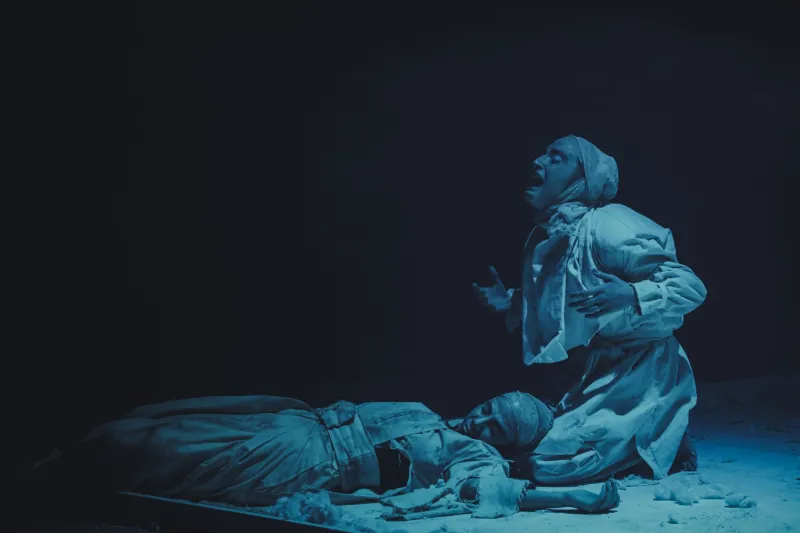
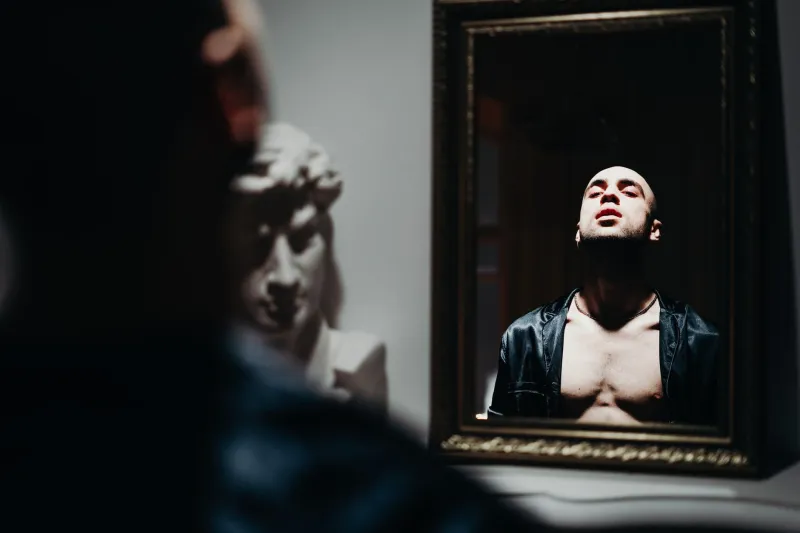
The Stage and the Mirror
At its best, drama functions as a mirror — not a flattering one, but an honest one. The antihero exists, in part, because audiences recognize something of themselves in these figures: the capacity for rationalization, the gap between intention and action, the exhausting work of maintaining a self-image that does not quite match the evidence. These characters are compelling because they are, in distorted form, familiar.
The question of whether they should be permitted to change is ultimately a question about what we believe drama is for. If its purpose is to reflect human complexity in its most unresolved form, then the frozen antihero may be the most truthful figure prestige television has produced. If its purpose is to illuminate the possibility of something better — the ancient theatrical aspiration toward catharsis and renewal — then the field's reluctance to let its most complicated characters grow represents a significant failure of nerve.
The answer, most likely, is that drama must hold both possibilities simultaneously. The stage has always belonged to figures who cannot easily be redeemed. But it has also always reserved a place for those who, against considerable odds, manage to become something other than what they were. The challenge for contemporary prestige storytelling is learning to honor both truths — without flinching from the cost that genuine transformation demands.